MMA is one of the most comprehensive combat sports in the world. It blends striking, grappling, and submissions, giving practitioners a broad range of combat skills. As a result, many people ask if MMA is effective in real-world self-defense scenarios, particularly on the streets. The answer is complicated. While MMA can teach you how to protect yourself, most experienced fighters believe that the ideal strategy is to avoid street fights entirely.
The Philosophy of Avoiding Street Fights
All forms of combat training, including MMA, teach discipline. Fighters train not only to win in the cage, but also to cultivate self-control, humility, and respect. Former UFC champion Georges St-Pierre once stated that a true martial artist should only use their abilities when absolutely necessary. Fighting in the streets carries unforeseen risks, including firearms, multiple attackers, legal consequences, and permanent injuries.
MMA should only be used outside of controlled situations if strictly necessary. The first line of defense is awareness, de-escalation, and avoidance. Walking away may not feel “tough” in the moment, but it is the better and safer option.
Technical Aspects of Using MMA in Self-Defense
That said, there are situations where you may have no choice but to defend yourself. MMA can be effective in those moments because it covers multiple areas of combat. Here are some technical aspects of how it can apply:
Striking for Distance Control
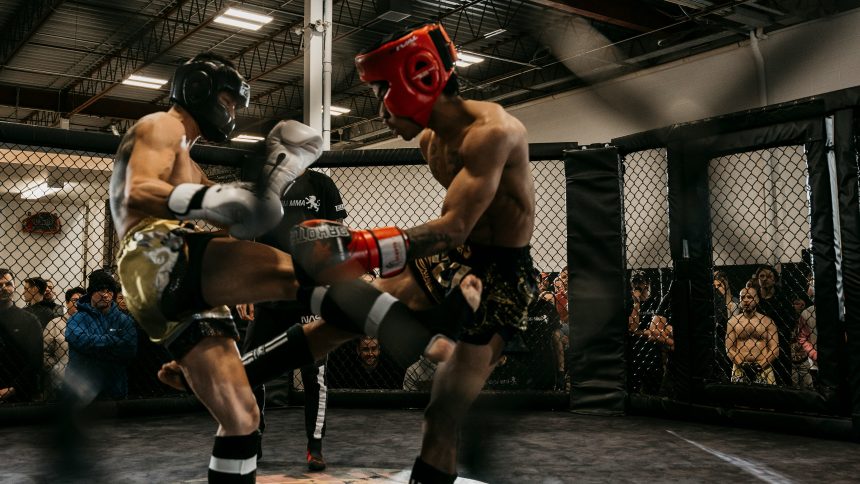
Maintaining a safe distance during a street fight is critical. MMA training incorporates boxing and kickboxing techniques that aid with range management. Simple jabs, leg kicks, and push kicks can be utilised to create space and exit rather than to dominate.
Clinch and Control
If the fight closes in, MMA clinch techniques from wrestling and Muay Thai can help you control your opponent without causing too much damage. A good clinch can reduce aggression and enable you to disengage as well.
Grappling and Submissions
Brazilian Jiu-Jitsu is an essential component of MMA and can be useful in self-defense. A chokehold or joint lock can bring an end to a fight without resorting to heavy strikes. However, going to the ground in the street is dangerous due to the concrete surfaces and the probability of encountering multiple attackers. The primary goal should be control, not prolonged grappling.
Mobility and Conditioning
Another overlooked benefit of MMA training is fitness. In many street scenarios, being able to run away effectively is the smartest choice. The endurance and agility developed in MMA give you the option to escape quickly.
Real-Life Advice from Fighters
Many professional fighters have issued warnings about applying MMA carelessly in real-world circumstances. Donald “Cowboy” Cerrone, a UFC veteran, has stated that fighters bear accountability because their hands might be regarded as dangerous weapons in a legal sense. Bas Rutten, former UFC heavyweight champion, has consistently emphasized that avoiding fights is the smartest form of self-defense. In interviews and instructional videos, he explains that street fights are unpredictable and dangerous, and the best way to win one is not to engage at all. He advises focusing on de-escalation and escape rather than fighting, stressing that no matter how skilled you are, multiple attackers or hidden weapons can change everything instantly.
On the other side, there have been instances of MMA being utilised successfully in self-defense. In 2018, a Brazilian jiu-jitsu practitioner defended himself against an attempted robbery by choking his attacker until police came. Importantly, he did not strike too many times or aggravate the situation beyond what was necessary. This demonstrates the responsible application of MMA skills.
Legal and Moral Consequences
One of the biggest risks of street fighting is not the fight itself but what happens afterward. Even if you successfully defend yourself, you may suffer legal consequences or lawsuits. MMA fighters, whether professional or amateur, may be held to higher standards under the law.
Unnecessary violence is morally unacceptable and contradicts the underlying values of martial arts. MMA instills respect for training partners and opponents, and these principles extend outside the gym. Using your skills should always be associated with defending yourself or others, never with displaying dominance.
Balancing Strength and Wisdom
The real lesson of MMA is balance. While you train to be strong and skilled, you also train to be wise enough not to misuse those skills. A true fighter knows that winning is not about hurting someone in the streets but about protecting yourself, your loved ones, and your peace of mind.
Follow FIGHTCORE for more updates.