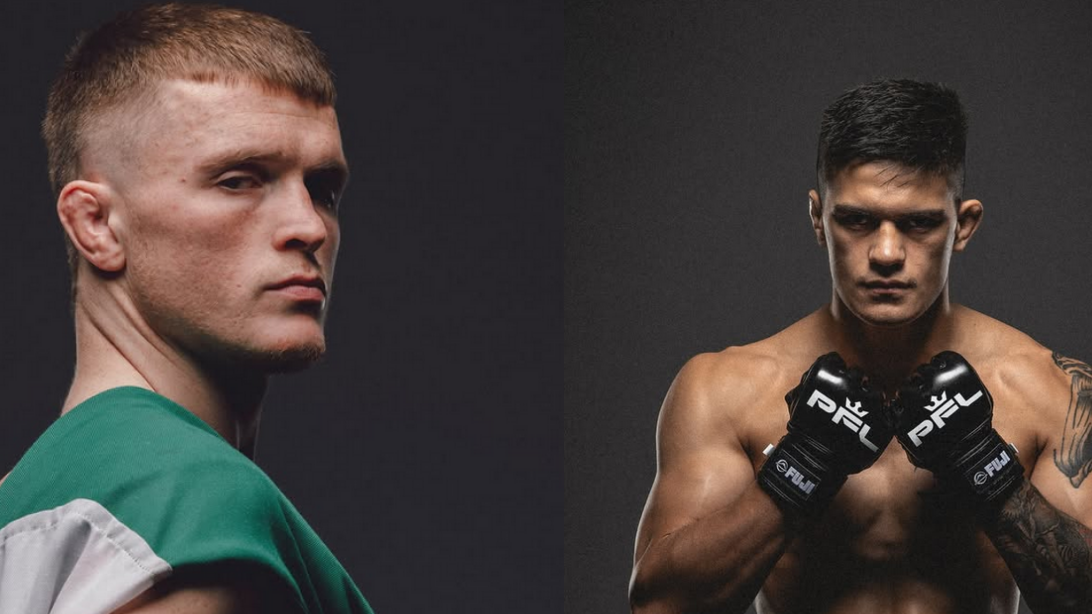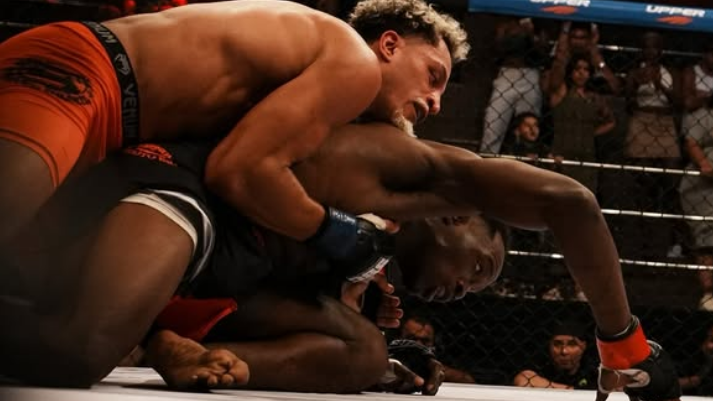
Friday night’s Shooto Brazil 132 card in Rio de Janeiro delivered fireworks, but it also sparked one of the most heated refereeing debates of the year. The featherweight clash between Joao Oliveira and previously undefeated prospect Willian Prado ended in brutal fashion after a devastating head kick knockout, followed by what many are calling the worst stoppage of 2025.
Broadcast live on UFC Fight Pass, the incident unfolded during the undercard but quickly stole the spotlight. Oliveira, known for his finishing ability, dominated Prado across two rounds before delivering a highlight-reel right high kick in the third. The strike landed flush, sending Prado crashing lifelessly to the canvas.
Instead of rushing in to stop the fight, the referee hesitated. That decision left Prado defenseless as Oliveira unleashed nearly a dozen unanswered punches before the bout was finally waved off.
He could have made that much worse 😮💨 #ShootoBrazil132
— UFC FIGHT PASS (@UFCFightPass) September 20, 2025
Joao "The Diamond" Oliveira wins by KO pic.twitter.com/1V1gWUM1EI
Joao Oliveira Shines, But Concerns Linger
Oliveira, nicknamed “Diamond,” did exactly what finishers are expected to do: close the show. The 28-year-old Brazilian was clinical from start to finish at Shooto Brazil 132, battering Prado with combinations, controlling the pace, and then landing the fight-ending kick that will certainly make highlight reels.
Yet even Oliveira himself appeared reluctant to continue striking his opponent. Between punches, he signaled toward the referee, seemingly pleading for the contest to be stopped. That moment underscored just how unnecessary the additional punishment was.
For Prado, the defeat marks not just the first loss of his professional career but one that could have lasting consequences. He went stiff immediately after the head kick, and the follow-up damage raised serious safety concerns.
When Referees Get It Wrong
Refereeing in mixed martial arts is no easy task. Officials are tasked with making split-second decisions that can alter careers. Most of the time, stoppages are handled well, but mistakes, whether too early or far too lateleave lasting impressions.
This one belongs in the latter category. Viewers were stunned, commentators were vocal, and social media lit up with frustration. The fact that Prado was clearly unconscious yet still subjected to repeated blows has reignited the conversation about accountability and referee training in MMA.
Reaction Across the MMA World
Clips of the stoppage quickly made their way online, drawing immediate criticism. Many pointed to fighter safety as the paramount issue, while others expressed disbelief at how long it took for the bout to be halted.
The discussion also extended to comparisons with other notorious stoppages in recent memory, with many already labeling this the frontrunner for “worst stoppage of the year.”
The Bigger Picture
While the incident unfolded in a Shooto Brazil 132, its visibility on UFC Fight Pass ensures global scrutiny. Poor officiating not only endangers fighters but also affects the credibility of the sport. Every high-profile mistake invites renewed calls for standardized referee training, stricter oversight, and, in some cases, consequences for officials who fail to act.
MMA has come a long way in terms of safety measures, with medical checks, weight regulations, and performance oversight. But when referees freeze in critical moments, fighters are left exposed. Friday night in Rio was a stark reminder of how quickly things can turn dangerous.
What Comes Next
For Oliveira, this victory at Shooto Brazil 132 likely boosts his profile as a dangerous featherweight on the rise. He delivered one of the cleanest knockouts of the year and showed restraint when the fight should have already been stopped. His composure could earn him bigger opportunities in the months ahead.
For Prado, the priority is recovery. The combination of a flush head kick and unnecessary follow-up strikes raises concerns about both short- and long-term effects. His management team and coaches will need to assess not just when he can return, but whether the referee’s late call requires formal protest.
And for refereeing in MMA? The debate rages on. Friday’s incident will fuel discussions about how to ensure that fighters are better protected in the cage. Mistakes may be inevitable, but moments like this remind everyone why timely intervention is non-negotiable.
Follow FIGHTCORE for more updates