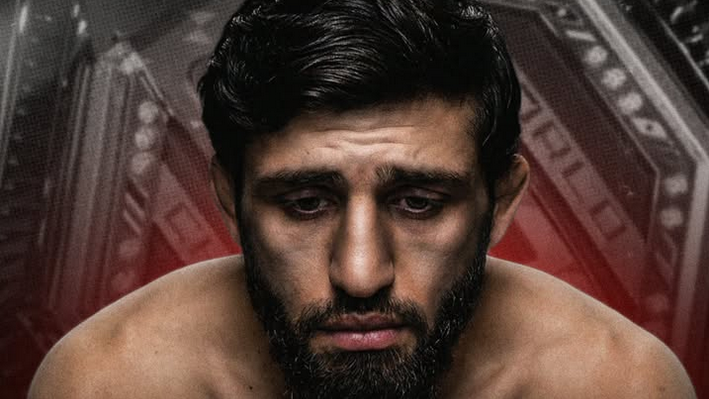
Every fighter steps into the cage with an opponent across from them, but often the biggest battle is internal. Beyond strikes, takedowns, and submissions lies an invisible enemy that stalks every professional fighter: the fear of losing. In MMA, where careers can skyrocket or stall overnight, the mental burden of potential defeat is as real as any punch or chokehold.
The Weight of Expectations
For fighters, losing isn’t just another statistic on their record. It might mean less chances, less promotion, and in certain situations, being cut from the organization. One loss can take away years of hard work. This pressure creates a mental environment where the thought of failure looms larger than the thrill of victory. As a result, fighters may become so afraid of losing that they fight not to win, but to avoid making mistakes.
Fear as a Performance Killer
Fear activates the body’s fight-or-flight response, which in small doses sharpens focus and heightens awareness. But in MMA, too much fear can backfire. A fighter overwhelmed by nerves may freeze in critical moments, abandon their game plan, or become mentally rigid, unable to adjust mid-fight.
We’ve seen skilled fighters step into the Octagon and look nothing like themselves, paralyzed by the magnitude of the moment. Sometimes, it’s the main event spotlight. Other times, it’s the realization that millions are watching. The pressure to protect an undefeated record or avoid another career-derailing loss can be crushing. Instead of throwing punches with intent, the fighter second-guesses every move, and in a sport that punishes hesitation, such thinking can be fatal.

Champions Who Conquered It
The greatest fighters aren’t great because they never lose. They’re great because they don’t allow fear control them and learn from their mistakes. Georges St-Pierre, one of MMA’s most admired champions, has talked about how he used to get extremely nervous before fights, even throwing up in the locker room. But he learnt how to turn that nervous energy into focus and use fear as a tool instead of a barrier.
Anderson Silva’s legendary reign included several great knockouts that are still talked about today, but it also had some failures. His wins after losses showed that a legacy is not based on being perfect but on being strong. Amanda Nunes lost to Julianna Peña in a bizarre fight, but she came back in their rematch with control and clarity, winning back her title. These instances indicate that getting over your fear of losing isn’t about ignoring it; it’s about accepting it and moving on nonetheless.
The Psychological Double-Edged Sword
Fear of losing isn’t always negative, which is intriguing. For some fighters, that’s what drives them to get ready. They endure through tough camps because they know what’s at stake. They work on every part of their game until it’s perfect, knowing that being too comfortable might lead to losing. Fear can make a fighter more disciplined in this way.
The risk arises when fear transitions into paralysis. When a fighter starts to think about losing, they cease showing off all of their skills. They fight with constraints instead of freedom. The thin line between motivation and paralysis is where champions separate themselves from the rest.
The Fear Of Losing Beyond the Cage
The fear of losing isn’t limited to fighters. Surgeons in operating rooms, pilots navigating turbulence, and entrepreneurs facing uncertain markets all encounter the same invisible opponent. In each case, the stakes are high, the pressure is real, and hesitation can be costly. Just like an MMA fighter, these professionals must learn to manage their emotions, adapt quickly, and act with clarity when the outcome is uncertain.
What unites them is the understanding that loss is not the end but part of the process. A failed business venture, a tough day in surgery, or a turbulent flight doesn’t erase years of skill or preparation, it tests the ability to remain resilient in the face of chaos. The lesson is universal: success is not about avoiding failure but about responding to it with composure and courage.
Follow FIGHTCORE for more updates.
Also Read: Jake Paul and Gervonta Davis Put $2 Million on the Line – Then It Got Physical