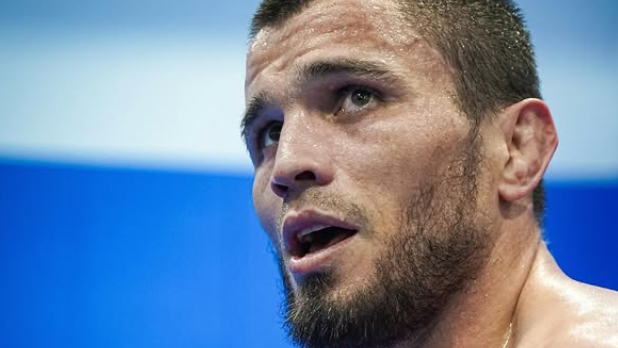
UFC Fight Night 261 in Rio de Janeiro has lost one of its anticipated heavyweight matchups. Mohammed Usman, brother of former welterweight champion Kamaru Usman, has been officially withdrawn from his scheduled fight against Valter Walker. The bout, set to take place at Farmasi Arena this Saturday, will no longer happen as initially planned.
Brazilian reporter Laerte Viana first revealed that Usman pulled out, with no immediate explanation. However, a follow-up report confirmed that the cancellation stems from a positive test for elevated testosterone levels. The test, conducted in September, reportedly showed levels above the allowed limits, raising doping concerns.
The Context Behind Mohammed Usman’s UFC Career
For Mohammed Usman, October 11 was supposed to mark a turning point. After snapping a two-fight losing streak with a decision win over Hamdy Abdelwahab in June, Usman was aiming to solidify his position in the heavyweight division. Before that June victory, he had suffered consecutive decision losses, both marking the first defeats of his UFC career.
The fight against Walker would have been crucial for Usman to regain momentum and reestablish his trajectory toward the upper echelons of the heavyweight division. Now, his immediate future is uncertain as the UFC investigates the doping violation.
Valter Walker’s Homecoming Hopes
The cancellation is not only a setback for Usman but also for Valter Walker, who was preparing for a homecoming bout in Brazil. Walker, currently on a three-fight winning streak with all victories via heel hook submissions, had been eager to showcase his skills in front of a local crowd.
Walker had initially expressed hope that the UFC might find him a replacement opponent. However, with the event approaching, finding a substitute appears unlikely, leaving Walker without a fight for the night. The opportunity to extend his streak and perform in front of his countrymen will have to wait.
UFC and Regulatory Implications
Mohammed Usman’s positive test brings attention back to anti-doping protocols in mixed martial arts. UFC athletes are subject to strict testing through USADA and other regulatory bodies to ensure fair competition. Elevated testosterone levels, whether through supplements or other means, can result in suspensions and fines, potentially impacting an athlete’s career trajectory.
The UFC has not yet confirmed whether Usman will face disciplinary action, but this development may have significant implications for his standing in the heavyweight division. The promotion will likely provide an official update in the coming days.
Looking Ahead for Both Fighters
For Usman, the priority now is navigating the fallout from the test and determining the path forward in the UFC. A suspension or a formal ruling could delay his return, putting pressure on him to rebuild momentum once cleared.
For Walker, the focus will shift to maintaining his training rhythm and preparing for future opportunities. Despite the cancellation, the Brazilian fighter remains a rising prospect, with a submission-heavy record that makes him a threat in any matchup. UFC officials may consider rescheduling the bout once Usman resolves his testing issues.
Conclusion
Mohammed Usman’s withdrawal from UFC Rio underscores the ongoing challenges fighters face regarding anti-doping compliance. While the immediate disappointment affects both competitors, it also highlights the UFC’s commitment to maintaining fair play within its roster. Fans and analysts will now watch closely to see how Usman addresses the testing issue and when Walker will get his next opportunity to shine on the UFC stage.
Also read, Charles Oliveira changes nickname to “Predator” ahead of UFC Rio 2025 headliner