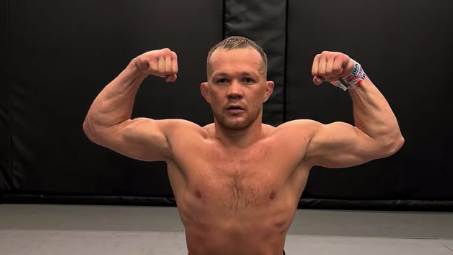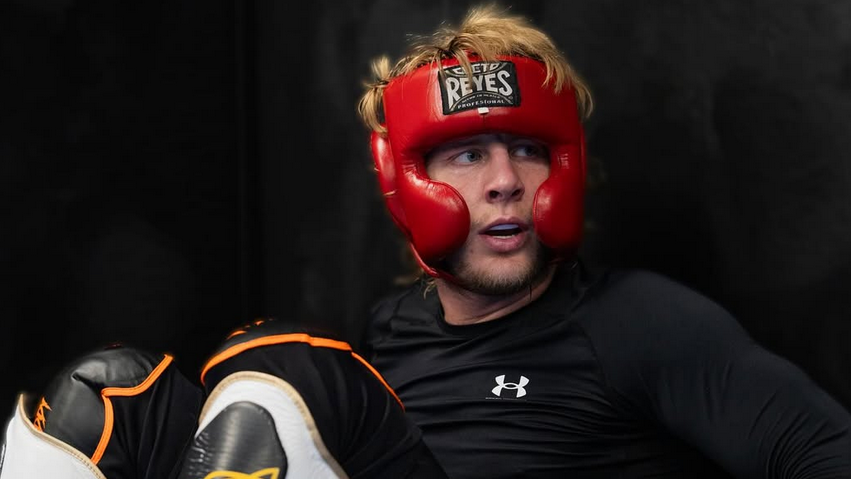
As he prepares for the biggest fight of his career, Paddy Pimblett has turned attention to a broader issue within mixed martial arts. The outspoken UFC contender recently shared his desire to see significant changes to the Unified Rules of MMA, specifically calling for the legalization of soccer kicks and knees to the head of grounded opponents.
The comments arrive at a moment when Pimblett stands on the brink of interim title contention, set to headline the first UFC pay per view of the year. While his immediate focus remains on championship ambitions, his remarks have reopened a long running debate about safety, realism, and the evolution of MMA rules.
A ruleset still evolving
The Unified Rules of Mixed Martial Arts were first introduced in 2000 and have undergone periodic revisions ever since. The most notable recent change came in 2024, when the long standing ban on 12 to 6 elbows was lifted, allowing straight downward elbow strikes under regulated conditions.
Despite these updates, strikes to the head of a grounded opponent remain illegal across most US sanctioned events. Under current definitions, a fighter is considered grounded if any part of their body other than the soles of their feet touches the mat. In those situations, knees and kicks to the head are classified as fouls.
Pimblett believes that restriction creates opportunities for exploitation rather than genuine protection.
Paddy Pimblett’s case for grounded strikes
Speaking on Tom Aspinall’s YouTube channel, Pimblett outlined his ideal rule changes in clear terms. He argued that fighters sometimes rely on sloppy takedown attempts or exaggerated grounding to slow a fight and avoid damage.
According to Pimblett, allowing controlled soccer kicks and knees to the head would discourage stalling and reward cleaner technique.
He was careful to draw a line, however. Pimblett stressed that he does not support head stomps, describing them as excessively dangerous due to the lack of escape for a downed opponent. Instead, he advocated for a middle ground where referees retain oversight while fighters are permitted to strike in realistic combat scenarios.
In his view, these changes would align MMA more closely with real fighting principles without abandoning fighter safety entirely.
Echoes of PRIDE and international rules
Pimblett’s preferred approach closely resembles the rules once used in PRIDE FC, where soccer kicks and knees to grounded opponents were legal and often decisive. Those bouts remain iconic for their intensity and unpredictability, though they also contributed to concerns about long term health risks.
More recently, promotions such as ONE Championship have experimented with modified rulesets that allow knees to the head of grounded opponents in certain contexts. Supporters argue that these frameworks prove such strikes can be regulated responsibly.
Critics, including many medical professionals and athletic commissions, counter that the cumulative risk of concussive damage remains too high, particularly in longer careers.
Timing matters for Pimblett
The discussion carries added weight given Paddy Pimblett’s Pushes for MMA Rule Changes Ahead of Interim Title Clash’s current position in the lightweight division. He headlines UFC 324 on January 24 in Las Vegas, where he faces former interim champion Justin Gaethje for the interim 155 pound title.
That bout places Pimblett at the center of a title picture complicated by uncertainty surrounding reigning champion Ilia Topuria. Pimblett has suggested that Topuria could be sidelined for an extended period due to personal matters, potentially delaying a full unification bout.
In that context, Pimblett’s frustration with structural limbo extends beyond matchmaking. His comments on rules reflect a broader desire for clarity, decisiveness, and accountability within the sport.
Safety versus competitive integrity
Debates over grounded strikes are far from new. Regulators have long prioritized minimizing severe head trauma, especially as research continues to highlight the long term effects of repeated concussions.
Pimblett acknowledges those concerns but believes outright bans may not be the best solution. He argues that clearer definitions and stronger referee intervention could prevent abuse while allowing fighters to operate more naturally in grappling exchanges.
From his perspective, the current rules sometimes protect tactics rather than athletes, enabling fighters to manipulate position for rest rather than engage offensively or defensively.
Will change ever come?
For now, the UFC remains bound by the Unified Rules as enforced by state athletic commissions. Any shift would require consensus from regulators, physicians, and promoters, a process that historically moves slowly.
Still, Paddy Pimblett Pushes for MMA Rule Changes Ahead of Interim Title Clash is not alone in challenging MMA’s status quo. As new generations of fighters gain influence and as international rulesets gain visibility, pressure continues to build for reevaluation.
Whether or not his proposals gain traction, Pimblett’s willingness to speak publicly ensures the conversation stays alive.
Follow FIGHTCORE for more updates.